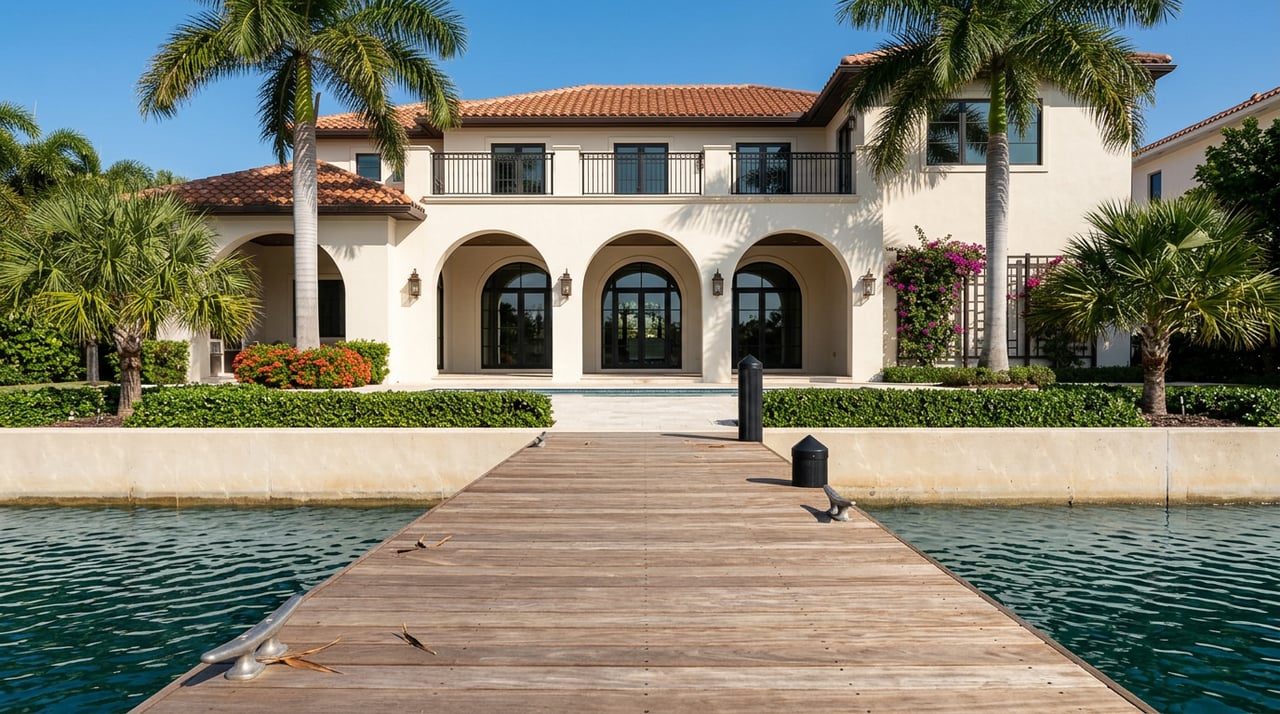
If you are searching Port Royal for a yacht-ready estate, the most important details sit at the waterline. Depth, dock design, and parcel-specific rights can shape your daily boating and your resale. You want a smooth close and a property that fits your vessel, your timeline, and your long-term plans. This guide gives you a clear plan for due diligence, permitting, and negotiation so you can buy with confidence in Naples’ most exclusive waterfront enclave. Let’s dive in.
Port Royal at a glance
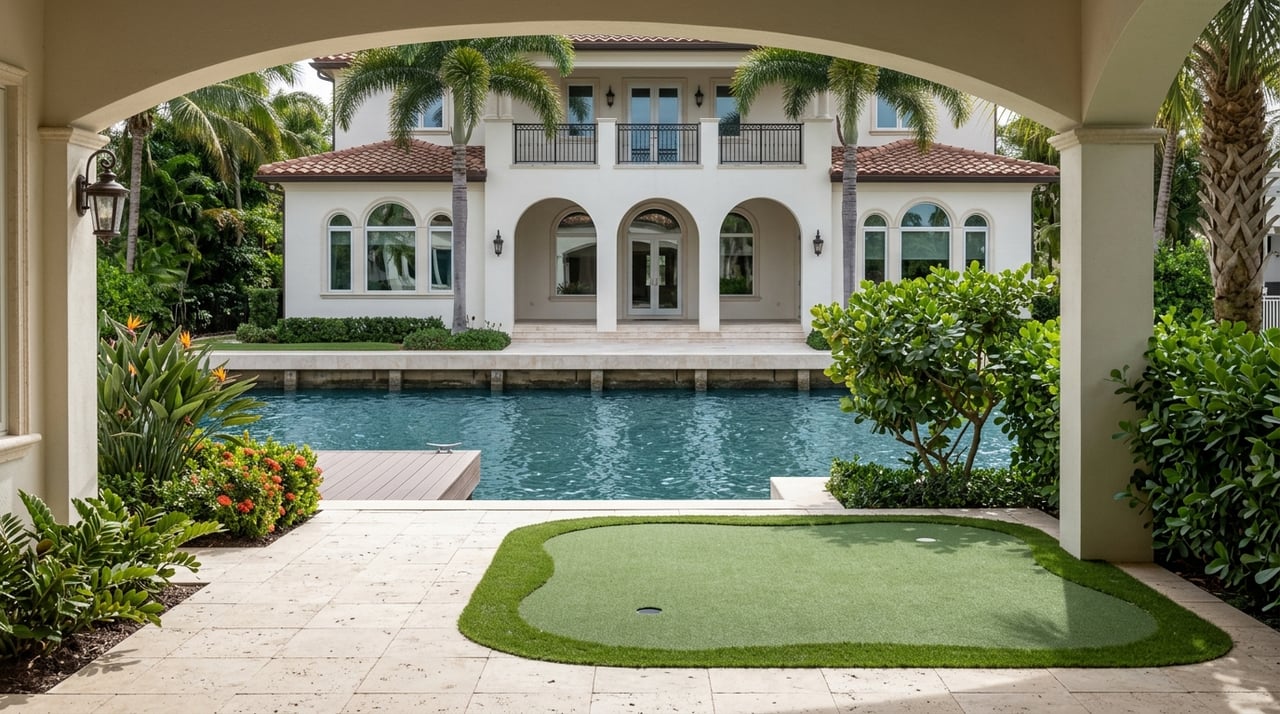
Port Royal is an ultra‑luxury peninsula in Naples with large beachfront, bayfront, and canal lots, plus direct Gulf access through Naples Bay and Gordon Pass. The private, residents‑only Port Royal Club sits at the heart of the lifestyle and can influence value and resale. You should treat each parcel as a micro‑market because shoreline, depth, and club eligibility vary.
Recent headline sales underscore the scale at the top end of the market. In spring 2025, three adjacent beachfront parcels on Gordon Drive reportedly sold for a combined $225 million, and a separate bayfront estate at 575 Admiralty Parade W closed for a reported $85 million, as covered by Gulfshore Business. Use these as context, not per‑lot pricing, and base offers on parcel‑level data and due diligence.
Port Royal Club: confirm eligibility and timing
Membership is tied to eligible parcels and can materially affect lifestyle and resale expectations. Before you write an offer, ask the Club to confirm eligibility for the specific lot, the timeline to elect membership, and any transfer mechanics. Start with the official resources on the Port Royal Club, and have your agent coordinate parcel‑level confirmation directly with Club staff.
Plan your vessel: access, depth and clearance
Gulf route and navigation
Most owners reach the Gulf by transiting Naples Bay and Gordon Pass. Confirm the practical route for your specific berth and note any local constraints with a captain who knows Port Royal. If you are new to the area, consult local buyer guidance on how Port Royal owners access the Gulf and what to confirm pre‑purchase, such as the route and potential navigation constraints along Naples Bay and Gordon Pass, as outlined in this Port Royal buyer overview.
Depth, draft and chart datum
Depth is not a guess. The U.S. Coast Pilot and NOAA charts reference soundings to Mean Lower Low Water, which is the conservative datum used for controlling depth. Charts and Coast Pilot provide authoritative context, but they are not a substitute for a local depth survey at your dock. During inspections, arrange a hydrographic survey referenced to the proper datum and plan a dock trial for any larger vessel. For charting standards and depth terminology, see the NOAA U.S. Coast Pilot.
Bridges and air draft
Port Royal’s typical Gulf route does not include a fixed city bridge barrier between the neighborhood and the Gulf in standard descriptions, but you must always confirm air draft for your specific vessel and mooring location. Verify there are no fixed bridge constraints on your path and that tides and equipment height still give you safe clearance.
Turning room and usable berth length
Do not rely on listing measurements alone. Usable berth length is the space from the seawall or finger to the first obstruction and must allow safe turning in local wind and current. Arrange a captain walk‑through and, for larger yachts, a dock trial at mean low tide to confirm beam, draft, and turning maneuvers, as recommended in the Port Royal buyer overview.
Dock capacity and Naples rules
What you can build or modify at the water’s edge depends on City of Naples regulations. Rules govern how wide a parallel dock can be, how far it may extend waterward, side setbacks, mooring piles, and whether extensions are allowed to reach a defined depth. Naples provides special exceptions in Naples Bay and Gordon Pass to go beyond a 22‑foot waterward limit to reach a maximum of five feet at mean low water, often used to define where maintenance dredging is permitted. Always pull the current city code and the property’s permit history to understand what is allowed. For code context, review the Naples code references summarized here: City of Naples code overview.
Seawalls, sovereign lands and the shoreline environment
Seawall condition and history
Seawall age, structural type, and maintenance history are major cost drivers. You should order a marine engineer’s report that estimates remaining life and sets a realistic range for repair or replacement. Request as‑built drawings and permits from the seller. Unpermitted or partially permitted work can be a red flag that affects both safety and insurability.
Sovereign submerged lands and authorizations
In Florida, the state holds title to sovereign submerged lands. Private use of those lands for docks or similar structures may require a lease or consent from the State Board of Trustees or FDEP. If an existing dock predates current rules, confirm any letters of consent on record and whether a lease or recorded authorization exists. For why this matters to title and use, see case references on sovereign submerged lands and private use.
Mangroves, seagrass and permitting
Any trimming or alteration of mangroves or in‑water work typically requires permits and may include mitigation. Expect that shoreline changes, dock expansions, or dredging will need city or county approvals and, in many cases, state review. Use the Florida DEP resources as a starting point for multi‑agency permitting and timelines: Florida DEP permitting resources.
Renovate or rebuild: code, CCCL and insurance
Building code and wind design
Collier County is in Florida’s Wind‑Borne Debris Region, which sets robust wind and impact requirements for substantial renovations and new construction. High‑Velocity Hurricane Zone rules apply in Miami‑Dade and Broward, but not in Collier. Work closely with a local structural or civil engineer to understand substantial improvement triggers and the product approvals your project will require. For a plain‑English comparison of regions under the Florida Building Code, review this overview of wind‑borne debris vs HVHZ standards.
CCCL and beachfront constraints
If the parcel lies seaward of, or near, the Coastal Construction Control Line, you will need Florida DEP review and a CCCL permit for structural or shoreline work. CCCL applications often require engineered analyses and can add weeks to months to a project schedule. Confirm whether your lot is affected using official state resources and plan your timetable accordingly, starting with the Florida DEP permitting resources.
Flood zones, elevation and insurance
Flood insurance pricing depends on your Base Flood Elevation and the elevation of the lowest floor. Obtain an elevation certificate early so your insurance broker can source firm quotes from the NFIP and the private market. Use FEMA’s Flood Map Service Center to locate panels and order an EC if the seller cannot provide one: FEMA Flood Map Service Center.
Timing and budget drivers to expect
Shoreline work has its own clock. Plan for several weeks to months for coastal permits, especially if CCCL review or sovereign submerged lands authorizations are involved. Renovations may move faster than a full teardown, but code upgrades, elevation requirements, and engineered seawall or dock plans can add both time and cost. Build schedule contingencies into your contract and consult a permitting advisor early.
Your Port Royal due‑diligence checklist
Use this list to structure contingencies and protect your timeline.
- Title and restrictions
- Title commitment and review for recorded easements that affect dock or shoreline use.
- Confirm any Port Royal Club or property owner restrictions that affect transfer or membership rights using Port Royal Club resources.
- Surveys and water depth
- ALTA boundary and shoreline survey.
- Separate hydrographic or bathymetric depth survey referenced to appropriate datums. Confirm controlling depth at mean low tide and usable berth length. Charts provide context, but you need a site‑specific survey; see NOAA Coast Pilot for depth terminology and datums.
- Marine access verification
- Dock trial for the intended vessel at full load and mean low water to confirm draft, beam, and turning room. See this Port Royal buyer overview for why a dock trial matters.
- Seawall and dock engineering
- Inspection by a licensed marine engineer with remaining-life estimates and cost ranges.
- Seller to produce as‑built drawings and all dock and seawall permits.
- City code and permit history
- Confirm Naples dock limits, setbacks, and any prior extensions or dredging approvals. Start with the City of Naples code overview.
- Environmental and state authorizations
- Verify whether prior or planned in‑water work requires a sovereign submerged lands lease or consent. See sovereign submerged lands guidance.
- If dredging or shoreline work is planned, outline a permitting path and timeline using Florida DEP resources.
- Flood and insurance
- FEMA flood zone check and an elevation certificate to source quotes; use the FEMA Map Service Center.
- Club eligibility and timing
- Written confirmation from the Port Royal Club on eligibility and the opt‑in window for your parcel.
- Professional team and logistics
- Engage a Naples waterfront broker, title company, Florida real estate attorney, coastal or marine engineer, licensed surveyor, marine surveyor or captain, insurance broker, and for construction plans, a structural engineer and local architect, as outlined in Port Royal buyer best practices within the Port Royal buyer overview.
Red flags and negotiation levers
Common red flags that can justify a price reduction or a walk‑away include unpermitted seawall or dock work, missing as‑builts, or visible seawall movement and scour. Parcels that require significant elevation changes due to CCCL or flood zone constraints can drive material cost and time. Very high or unavailable wind and flood insurance quotes can also alter feasibility.
When issues surface, you can negotiate a seller credit or escrow for seawall repairs, a price reduction for dredging or permit risk, or extended inspection and closing windows to secure coastal permits. If authorizations or consents are missing, consider a conditional escrow until the seller produces them.
How to protect your schedule
Structure your contingencies in stages. Front‑load title, surveys, seawall inspection, and flood and insurance quotes. Add time for specialty marine work like the hydrographic survey and dock trial. If shoreline changes are central to your plan, include a contingency that allows you to cancel or reprice if state or federal permits cannot be obtained within a set period. This approach keeps risk in check while keeping your preferred closing date in sight.
Work with a Port Royal advisor
Port Royal rewards precision. Parcel orientation, club eligibility, usable dock length, seawall health, and recorded permit history often matter more than any neighborhood average. If you want a property that truly fits your yacht, lifestyle, and timeline, partner with a local team that does this every week and knows where the hidden risks live.
Thinking about a move in Port Royal or scouting off‑market options? Reach out to the Chiodo Group for private guidance, vetted vendor introductions, and a step‑by‑step plan from offer through closing.
FAQs
What makes Port Royal unique for waterfront buyers?
- It is a micro‑market of large waterfront estates with direct Gulf access plus a residents‑only Port Royal Club; parcel‑level details like depth, dock rights, and club eligibility drive value more than neighborhood averages.
How do I confirm Port Royal Club membership for a property?
- Contact the Club directly to verify parcel eligibility, timing to elect membership, and transfer mechanics; start with official resources on the Port Royal Club.
How can I know if my yacht will fit at a Port Royal dock?
- Arrange a hydrographic depth survey and a dock trial at mean low tide to confirm draft, beam, and turning room, and have a captain measure usable berth length on site.
Which permits are common for docks, seawalls, or dredging?
- Expect City of Naples approvals plus potential state authorizations through Florida DEP for shoreline work, CCCL review near the beach, and in some cases sovereign submerged lands leases or consents.
How do flood zones and elevation affect my costs?
- Insurance pricing depends on your Base Flood Elevation and lowest floor height; secure an elevation certificate early and use FEMA’s tools to validate your flood zone before binding coverage.
What contract contingencies should I include for a Port Royal purchase?
- Include title and survey, hydrographic depth check, seawall and dock engineering, club eligibility verification, flood and insurance quotes, and permitting contingencies for any planned shoreline or dock work.