If you are considering Pelican Bay, one question matters early: what do you actually get for the fees? In a community known for its coastal setting and resort-style conveniences, it helps to understand how the amenities, ownership structure, and costs fit together before you buy. This guide breaks down Pelican Bay’s lifestyle, fees, and day-to-day experience so you can evaluate whether it matches the way you want to live. Let’s dive in.
What Pelican Bay Is
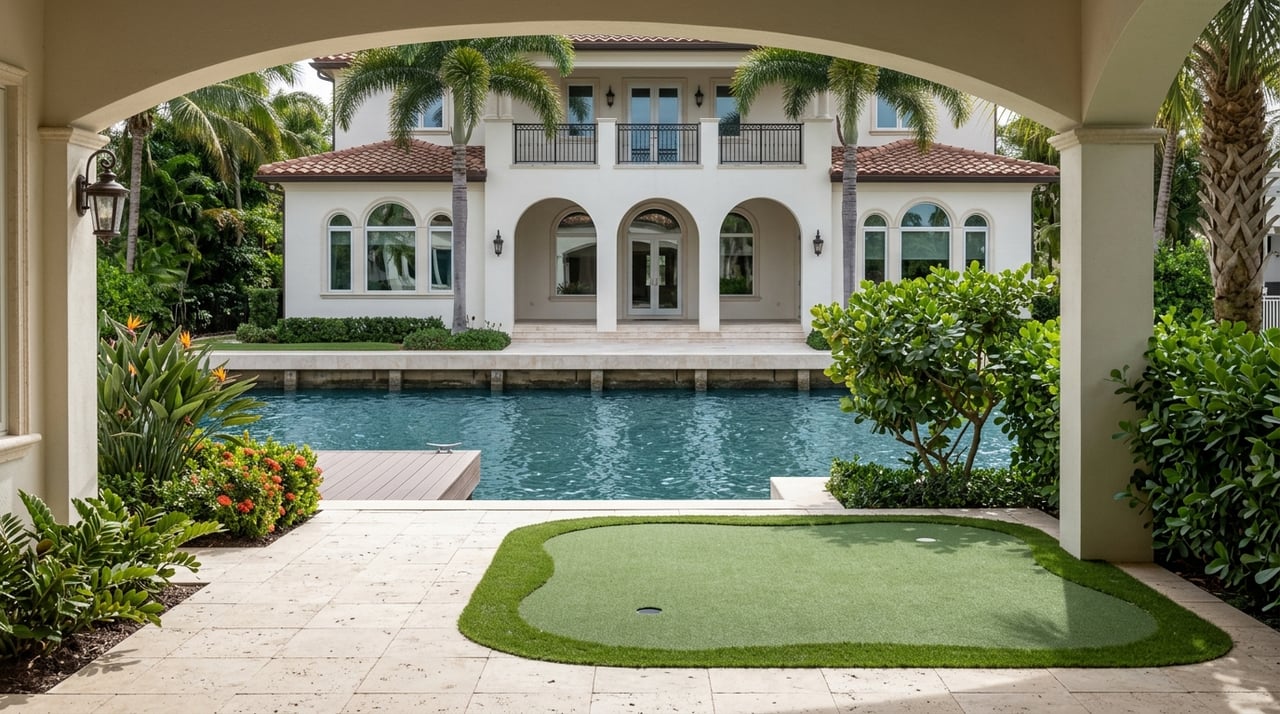
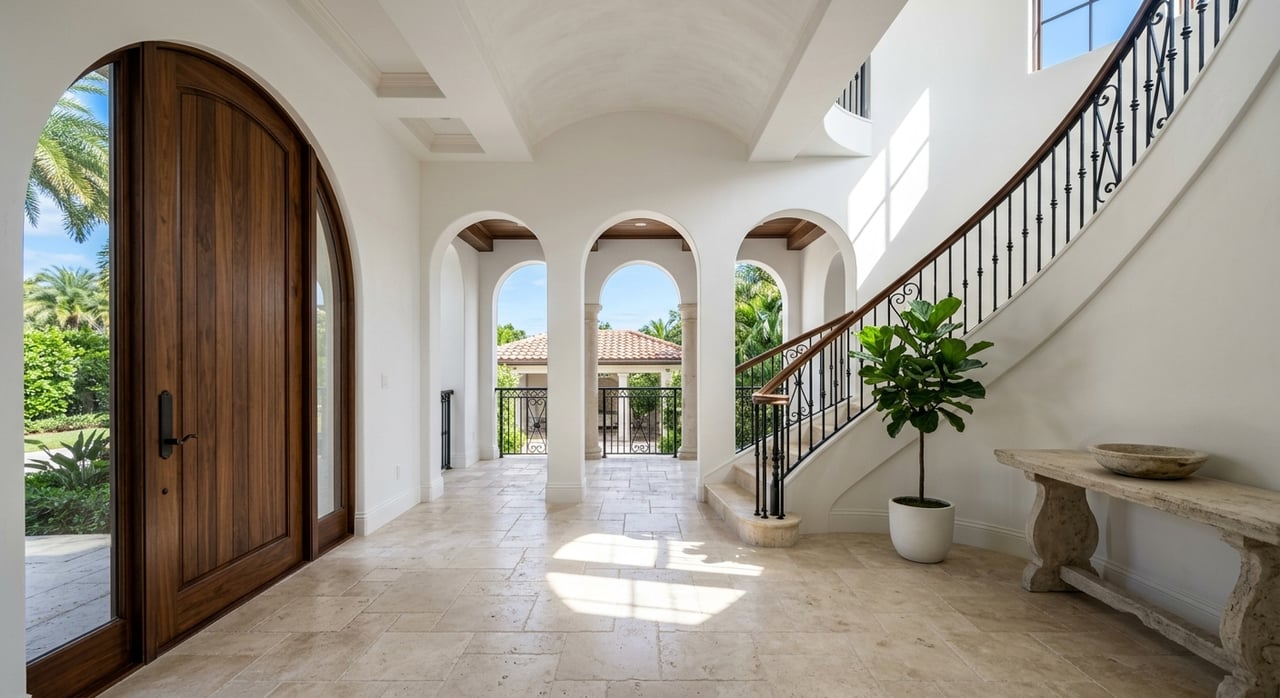
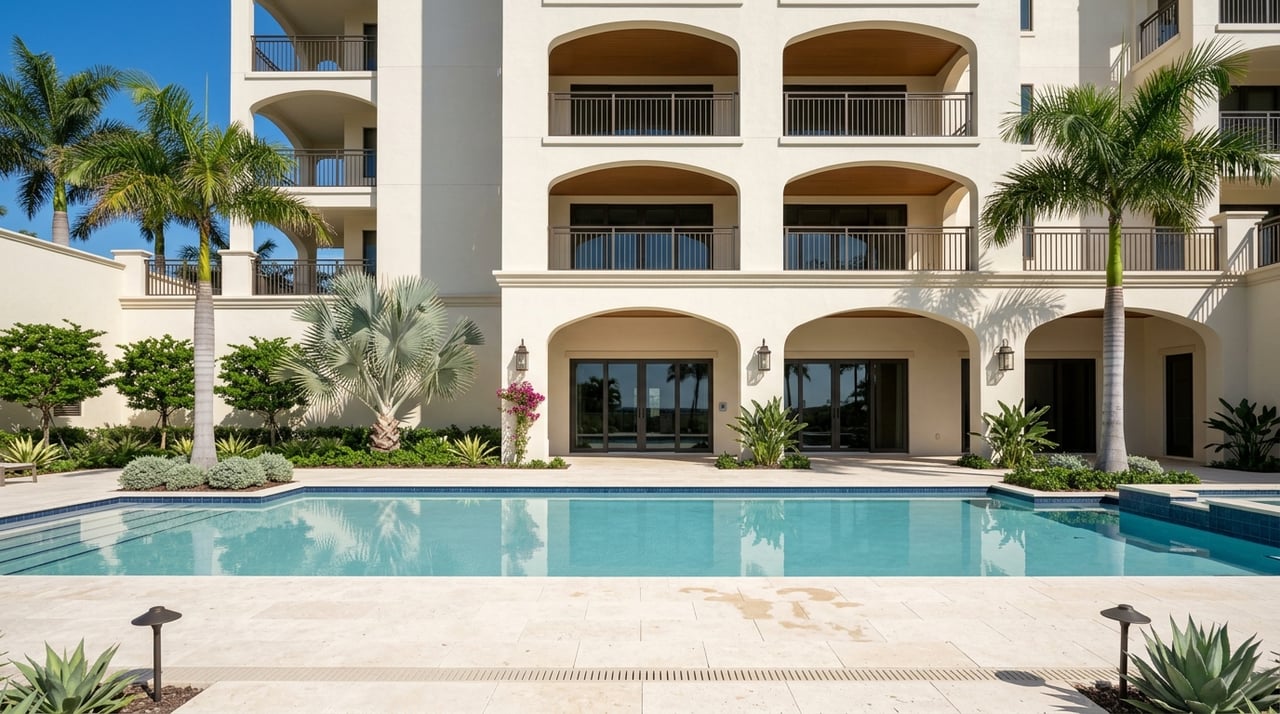
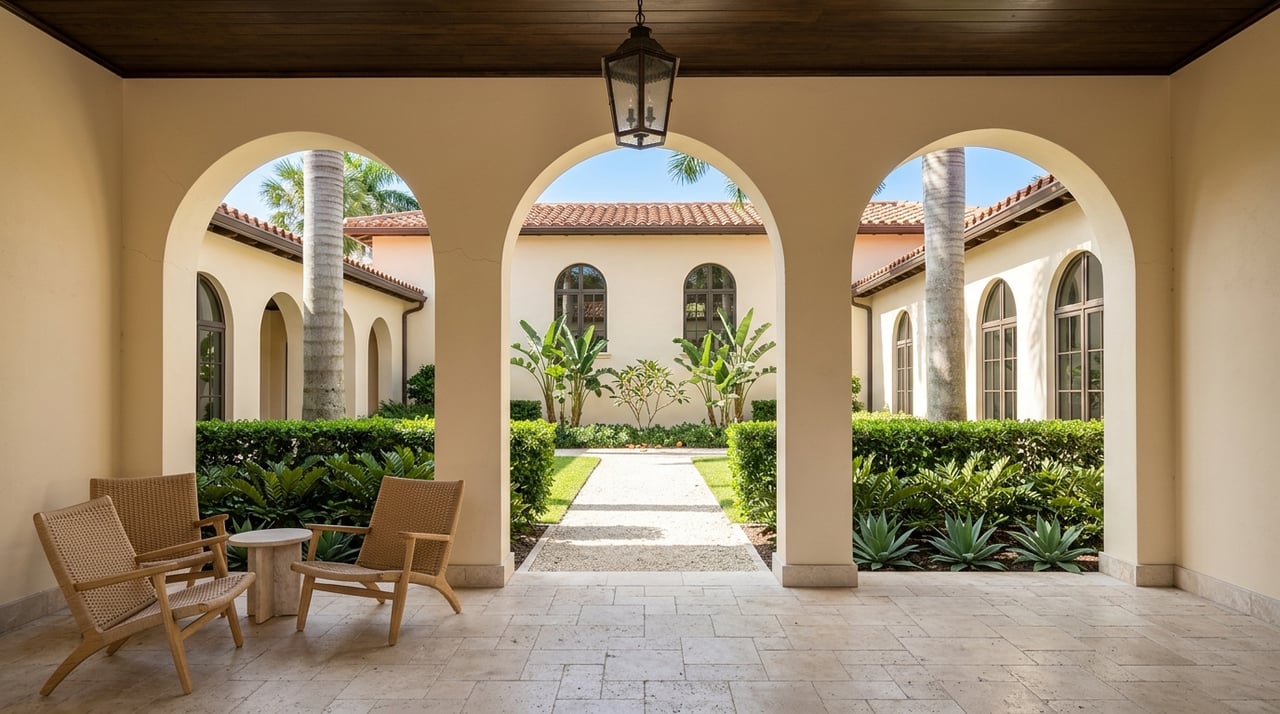
Pelican Bay is a master-planned coastal community in Naples, within Collier County, spanning more than three square miles. According to the Pelican Bay Foundation community overview, the neighborhood includes about 6,500 residences across 95 associations, with a mix of single-family homes, high-rise condominiums, and luxury apartments.
What sets it apart is the way natural surroundings and private residential amenities are built together. The Foundation describes Pelican Bay as having more than 500 acres of protected estuary, mangroves, and beaches, along with private tram access, beachfront dining, racquets, fitness, and social spaces.
Pelican Bay Beach Access
For many buyers, the beach experience is the headline amenity. Pelican Bay’s beaches stretch nearly three miles, are open daily from 9 a.m. to sunset, and include staffed service through Beach Attendants, according to the community’s beach information.
That service includes setup for loungers, umbrellas, and cabanas, plus support for sailboats, kayaks, showers, restrooms, and beach wheelchairs. Access to North Beach and South Beach is available by tram or by walking through the mangroves, which gives the community a more private, sheltered feel.
The tram system is also a major part of daily life. Pelican Bay states that its open-air, electric-powered tram network includes eight stations and handles more than 900,000 beach trips each year. If you picture an easy routine of heading to the beach without worrying about parking, that is a big part of the appeal here.
Dining And Social Life
Pelican Bay offers two main beachfront dining venues: Marker 36 at North Beach and Sandbar at South Beach. The Foundation describes both as open-air, Gulf-front restaurants with indoor and outdoor seating, which supports the community’s everyday resort feel rather than a once-in-a-while amenity package.
Beyond dining, the Community Center adds another layer to the lifestyle. Pelican Bay says it hosts themed events, dances, educational talks, and seminars, while also providing spaces for art, cards, Bridge, and Mahjong through its broader dining and community amenities overview.
For buyers who want a neighborhood where activities are built in, that structure matters. It can make day-to-day life feel more connected and convenient, whether you live here full time or seasonally.
Tennis, Pickleball, And Fitness
Racquet sports are a major part of Pelican Bay’s identity. The Foundation says the community has 18 Har-Tru tennis courts across two locations, plus a new Racquets Center with eight Har-Tru tennis courts and 20 pickleball courts, with some courts reserved for members and guests.
Fitness options are similarly broad. Pelican Bay’s programming includes cardio, strength, core, group classes, beachfront workouts, personal training, and a wellness studio. If you want an active lifestyle without needing separate club memberships, these amenities are an important piece of the value equation.
How Pelican Bay Fees Work
One of the most important things to understand is that Pelican Bay has a layered fee structure. The Pelican Bay Foundation is the master homeowners association, and all property owners are members. The Foundation manages common areas and major amenities, including beaches, restaurants, racquets facilities, boardwalks, tram transportation, covenant enforcement, safety and security, member services, and the Community Center, as outlined in the Foundation estoppel form.
For FY2026, covering October 1, 2025 through September 30, 2026, the Foundation’s annual assessment is $3,295 per assessable unit, billed quarterly at $823.75. The same document states that this total includes:
- $2,083 operating assessment
- $384 replacement reserves
- $828 bulk media agreement
The Foundation also notes that assessments are billed in the fourth quarter of each year, with payment due at the start of the fiscal year. For condominium owners, billing is usually paid by the condominium association, while single-family and commercial owners typically pay directly.
The Separate Resale Fee
In addition to the annual Foundation assessment, buyers should plan for a separate $10,000 resale capital assessment due at closing. This is one of the most important numbers to know before making an offer.
The Foundation states there is a one-time exemption for qualifying current Pelican Bay owners purchasing another Pelican Bay property, though the exemption application carries a $1,000 processing fee. The same estoppel materials also state that the Foundation does not have a right of first refusal, but an individual condominium sub-association may still require transfer approval.
Why Sub-Association Fees Matter
This is where many first-time Pelican Bay buyers need clarity. Because the community includes 95 associations, your total ownership cost is not just the Foundation fee. You also need to account for the dues tied to your specific building, condominium, or neighborhood association.
The Foundation’s Realtor resources page directs buyers to association managers for individual HOA documents. In practical terms, that means your actual carrying costs will vary depending on the property you choose, especially between a high-rise condo and a single-family home.
What Daily Life Feels Like
Pelican Bay appeals to buyers who want more than a residential address. The setup supports a repeatable routine that can include a morning fitness class, a tram ride to the beach, lunch at a beachfront restaurant, an afternoon tennis or pickleball session, and evening community events.
That rhythm can be especially attractive if you are buying a second home or relocating from out of market. The concentration of amenities in one community can make it easier to settle in quickly and enjoy a built-in lifestyle from day one.
Location also adds to the draw. The Foundation notes that Pelican Bay is close to major Naples destinations including Waterside Shops, the Ritz-Carlton, Naples Grande Beach Resort, and Artis-Naples, which reinforces why many buyers see it as a lifestyle-driven market as much as a housing choice.
What Buyers Should Ask Early
Before you move forward on a property in Pelican Bay, it helps to get clear answers on a few items upfront:
- What is the current Foundation assessment?
- What are the dues for the specific condo or HOA association?
- Are there transfer or approval requirements at the sub-association level?
- How is the Foundation fee billed for this property type?
- What are the total expected costs due at closing, including the resale capital assessment?
These questions help you compare properties more accurately. In a community with multiple property types and association layers, details matter.
Pelican Bay At A Glance
| Cost or Feature | What to Know |
|---|---|
| Foundation annual assessment | $3,295 per assessable unit for FY2026 |
| Quarterly Foundation billing | $823.75 |
| Resale capital assessment | $10,000 due at closing |
| Ownership structure | Master HOA plus separate condo or neighborhood association |
| Beach access | Private tram or walk-through access to North and South Beach |
| Major amenities | Beach service, dining, tennis, pickleball, fitness, Community Center |
Is Pelican Bay Worth It?
That depends on what you value most. If you are looking for a community where beach access, social opportunities, racquet sports, dining, and fitness are all integrated into daily life, Pelican Bay offers a distinctive amenity package within Naples.
It is also a community where understanding the fee structure is essential. The Foundation assessment and the separate $10,000 resale fee should be part of your budgeting conversation early, along with the dues and rules tied to the specific property you are considering.
If you are weighing Pelican Bay against other Naples luxury communities, the right guidance can help you compare not just homes, but lifestyle, ownership costs, and long-term fit. If you want help evaluating Pelican Bay condos or homes, connect with the Chiodo Group for clear, local insight and a tailored buying strategy.
FAQs
What are the annual Pelican Bay Foundation fees?
- For FY2026, the Pelican Bay Foundation annual assessment is $3,295 per assessable unit, billed quarterly at $823.75.
What is the Pelican Bay resale capital assessment?
- Buyers should budget for a separate $10,000 resale capital assessment due at closing, based on the Foundation’s estoppel materials.
Do Pelican Bay condo owners pay only one HOA fee?
- No. In addition to the Foundation assessment, condo owners typically also pay dues to their specific condominium association, which can vary by building.
What amenities are included in Pelican Bay?
- Pelican Bay amenities include private beach access, tram transportation, beach attendants, beachfront dining, tennis, pickleball, fitness programming, and Community Center activities.
How do you access the beach in Pelican Bay?
- Access to North Beach and South Beach is by Pelican Bay’s tram system or by walking through the mangroves, according to the Foundation.
Is Pelican Bay a master-planned community in Naples?
- Yes. Pelican Bay is a master-planned coastal community in Naples with about 6,500 residences across 95 associations, and all property owners are members of the Pelican Bay Foundation.